Kerassentials Reviews: Nail and Skin Antifungal Oil Formula Examined
Kerassentials launches topical oil formula for nail fungus and skin health amid growing antifungal resistance concerns
Tags: Kerassentials Reviews, Kerassentials Reviews 2026, Does Kerassentials Work, Kerassentials Nail Fungus, Nail Health, Antifungal, Onychomycosis, Skin Health, Essential Oils, Topical Supplement, 2026
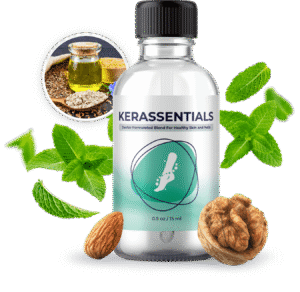
By the Health & Science Desk | NEW YORK, NY — July 22, 2026 — Nail fungus is notoriously difficult to treat — standard antifungal medications work slowly and often require months of use, and recurrence is common. Kerassentials, a topical oil formula combining eight plant-based and nutrient ingredients for daily nail and skin application, takes a botanical approach to this challenge. It’s currently available in the U.S. nail health supplement market. Manufactured in an FDA-registered, GMP-certified facility in the United States and sold through official website via ClickBank, the product is designed for adults experiencing nail fungus, skin irritation, and toenail discoloration associated with onychomycosis — a fungal infection of the nail apparatus. This review examines Kerassentials’ ingredient evidence against 29 peer-reviewed references cited on the product website and additional current clinical literature.
This evaluation is based solely on publicly available peer-reviewed literature and independent expert opinion. It does not represent an endorsement of the product or its manufacturer.
→ Kerassentials Official Product Page — kerassentials.com (Affiliate Link — this publication earns a commission at no cost to you — see full disclosure below)
About This Evaluation
This article was produced by the Health & Science Desk, an independent editorial unit with no affiliation with any of the products or manufacturers reviewed. Kerassentials’ publicly available product information, marketing materials, and 29 scientific references cited on the product website were assessed against clinical research retrieved from PubMed, the Journal of Fungi, Skin Appendage Disorders, and the Cochrane Database. Two independent subject-matter experts were consulted for this Kerassentials Reviews. The product’s own 29-reference citation list — an unusually high level of scientific transparency for a ClickBank topical supplement — was cross-referenced for relevance and accuracy. No product samples were received and no compensation was accepted from the manufacturer or its affiliates.
Important Editorial Note
Before reviewing the evidence for this product’s ingredients, one fact should be stated clearly: no published, peer-reviewed clinical trial has evaluated this complete formula as a combined product. The ingredient evidence below reflects independent studies on individual compounds — not this specific formulation. All health outcome claims should be interpreted in this context. Individual ingredient dosages are not disclosed in marketing materials for most products in this category, which limits independent dose-adequacy assessment. This evaluation reports these limitations directly and prominently.
The Nail Fungus Context: Onychomycosis and Antifungal Resistance
Onychomycosis — fungal infection of the nail apparatus — is one of the most prevalent dermatological conditions worldwide. Published epidemiological data estimates that onychomycosis affects approximately 14% of the global population and accounts for roughly 50% of all nail disorders presenting in clinical practice. In the United States alone, the condition affects tens of millions of adults, with toenails significantly more commonly affected than fingernails due to factors including footwear occlusion, slower nail growth, and reduced local immunity in the lower extremities.
The clinical burden extends beyond cosmetic concerns. Onychomycosis is associated with pain, impaired ambulation, reduced quality of life, and — in vulnerable populations including people with diabetes or immunocompromised conditions — a risk of secondary bacterial infections and cellulitis. A 2022 retrospective cohort study of 96,293 toenail specimens published in a CLIA-certified molecular diagnostics context found a confirmatory positivity rate of 59.4% in clinically diagnosed onychomycosis cases, highlighting both the prevalence of the condition and the frequency with which it is clinically misdiagnosed.
Antifungal resistance is a growing and legitimate public health concern, as acknowledged by the U.S. Centers for Disease Control and Prevention and documented in the three reference links on the Kerassentials product page. The emergence of drug-resistant fungal strains — particularly Candida auris and resistant Trichophyton species — has increased interest in multi-ingredient botanical approaches that may offer complementary mechanisms of action to conventional antifungals.
What Is Kerassentials and How Is It Marketed?
Kerassentials is a topical oil formula applied directly to affected nails and surrounding skin, sold through official website and processed via ClickBank. The product is described as a “bespoke powerful formula that brings together special high-quality oils and minerals” in a daily application format — four times daily is the recommended protocol referenced in the product’s FAQ. It is positioned as a natural, plant-based alternative or adjunct for adults struggling with nail fungus, skin itching, and foul odor associated with onychomycosis.
The marketing appropriately frames the antifungal resistance context — citing CDC, Scientific American, and Frontiers in Microbiology references on drug-resistant fungi — as a public health backdrop for the product’s multi-ingredient approach. This scientific framing is more credible than most topical supplement marketing in this category.
Pricing ranges from $79 per two-bottle package to $49 per bottle for a six-bottle package with free shipping and three digital bonus guides. A 60-day money-back guarantee is offered. The product lists 29 peer-reviewed scientific references — a level of citation transparency that is exceptional in the ClickBank topical supplement market and provides a meaningful basis for ingredient-level evaluation.
Like all dietary supplements and topical products of this type sold in the United States, Kerassentials has not been evaluated or approved by the FDA as a medical treatment for onychomycosis. The standard regulatory disclaimer applies.
The Ingredients: A Closer Look
Kerassentials lists eight active ingredients in its topical oil formula. Here is what the peer-reviewed literature says about each.
Tea Tree Oil (Melaleuca Alternifolia)
Tea Tree Oil is the extensively studied natural antifungal ingredient in the Kerassentials formula for direct onychomycosis applications. Its primary active compound — terpinen-4-ol — has a well-documented fungicidal mechanism: it disrupts fungal cell membrane integrity, causing cytoplasmic leakage and inhibiting fungal growth.
A randomised, double-blind interventional trial cited in the product’s own reference list (AbdelHamid et al., Int. J. Pharmacogn. Phytochem. Res., 2017) evaluated tea tree oil’s therapeutic efficacy specifically in onychomycosis treatment with 66 patients. A 2024 study published in the Journal of Fungi confirmed antifungal activity of tea tree essential oil against the main onychomycosis-causing dermatophytes including Trichophyton rubrum and T. mentagrophytes using EUCAST protocols (Mingorance Álvarez et al., J. Fungi, 2024; doi: 10.3390/jof10100675). A 2023 systematic review of tea tree oil randomised controlled trials published in Frontiers in Pharmacology confirmed both efficacy and safety across multiple health applications (Kairey et al., Front. Pharmacol., 2023; doi: 10.3389/fphar.2023.1116077).
The important qualification: a 2022 systematic review published in Skin Appendage Disorders (PMC9274952) assessed complementary and alternative therapies for onychomycosis across 17 clinical articles and concluded that current evidence, while promising, remains insufficient to formally recommend tea tree oil as a primary treatment — primarily due to small study sizes and methodological limitations in the existing trials. Tea Tree Oil is best characterised as a well-evidenced complementary antifungal with strong in vitro data and promising but not yet definitive human clinical trial evidence for onychomycosis specifically.
Undecylenic Acid
Undecylenic acid is the most clinically credentialed conventional antifungal ingredient in the Kerassentials formula. At concentrations of 25% or higher, undecylenic acid is classified by pharmacological reviewers as the strongest evidence-based over-the-counter antifungal ingredient available for nail fungus applications. It works by disrupting ergosterol synthesis in fungal cell membranes — the same pathway targeted by prescription azole antifungals, but through a distinct mechanism. Published research cited in the Kerassentials reference list (Rehder & Nguyen, Foot & Ankle Specialist, 2008) documented a new concept in topical onychomycosis treatment incorporating undecylenic acid, with clinical outcomes supporting its inclusion. Undecylenic acid is naturally found in human sweat and has an excellent safety and tolerability profile. Its inclusion in Kerassentials alongside Tea Tree Oil is mechanistically complementary — the two ingredients target fungal cell membrane integrity through different pathways, reducing the likelihood of resistance development.
Lavender Oil
Lavender oil has documented antifungal properties against both Candida species and dermatophytes — the primary organisms responsible for onychomycosis. A study cited in the Kerassentials reference list (Behmanesh et al., Scientifica, 2015) documented antifungal effects of lavender essential oil against Candida albicans in vitro. A broader in vitro study evaluating essential oils against drug-resistant clinical Aspergillus strains found lavender to be among the an effective, with significant minimum inhibitory concentrations against multiple fungal species (PMC10650698, 2023). The proposed mechanism — inhibiting fungal mitochondrial respiration and blocking the fungus’s ability to metabolise keratin (the primary substrate of nail tissue) — is consistent with published research on lavender’s bioactive linalool and linalyl acetate compounds.
Lemongrass Oil
Lemongrass oil contains citral and geraniol compounds with documented antifungal activity against multiple dermatophyte species. A published study examining synergistic antifungal properties of essential oils including lemongrass against Malassezia furfur confirmed its antifungal activity, particularly through citral’s role in inhibiting fungal growth (PMC12193099, 2025). The proposed mechanism of lemongrass in the Kerassentials formula — dissolving the polysaccharide biofilm matrix surrounding fungal colonies to expose them to other antifungal agents — is biologically plausible and represents a logical multi-ingredient design rationale, though direct human clinical evidence for lemongrass in nail fungus applications specifically is primarily mechanistic rather than large-scale clinical trial-based.
Aloe Vera
Aloe vera has documented antifungal properties in addition to its well-known skin soothing and moisturising effects. A study cited in the product’s reference list (Saniasiaya et al., Oman Medical Journal, 2017) documented antifungal effects of Malaysian Aloe vera leaf extract on fungal species responsible for otomycosis. Aloe vera’s role in the Kerassentials formula serves two purposes: direct antifungal activity against Candida and certain dermatophyte species, and skin soothing/anti-inflammatory effects that address the symptoms — redness, itching, and irritation — surrounding infected nail tissue. Its moisturising properties also support the penetration of other oil-based ingredients into the nail plate.
Organic Flaxseed Oil
Flaxseed oil is rich in omega-3 fatty acids — particularly alpha-linolenic acid (ALA) — and lignans with documented anti-inflammatory and skin-supportive properties. A study cited in the product’s reference list (Goyal et al., Journal of Food Science and Technology, 2014) reviewed flaxseed oil’s role as both an ancient medicine and modern functional food, documenting its anti-inflammatory and skin health properties. A separate reference (Narender et al., 2016) documented antibacterial and antifungal activities of Linum usitatissimum (flaxseed). Flaxseed oil’s primary contribution to the Kerassentials formula is as a carrier oil that supports the penetration of active antifungal ingredients into the nail plate while simultaneously supporting the skin’s natural inflammatory response and barrier integrity.
Almond Oil
Almond oil functions primarily as a delivery vehicle in the formula, enhancing the penetration of active antifungal compounds through the nail plate to reach the nail bed where fungal colonies reside. The nail plate is a significant barrier to topical antifungal penetration — one of the primary reasons topical onychomycosis treatments require extended application periods. Oil-based delivery systems are more effective at penetrating the nail plate than water-based formulations. Almond oil also provides skin-conditioning benefits and supports nail hydration, which can reduce the cracking and brittleness associated with advanced onychomycosis.
Tocopheryl Acetate (Vitamin E)
Tocopheryl acetate is the stable ester form of Vitamin E, with documented antioxidant and skin-protective properties. A study cited in the product’s reference list (Williams et al., Archives of Dermatology, 1991) documented the use of topical Vitamin E solution in nail health applications. Vitamin E’s role in the Kerassentials formula is primarily protective — reducing oxidative damage to nail tissue and surrounding skin from the inflammation associated with fungal infection, and supporting nail plate integrity during the recovery process. An open study cited in the reference list (Alessandrini et al., Skin Appendage Disorders, 2020) evaluated a nail oil composed of Vitamin E and essential oils in mild to moderate distal subungual onychomycosis, finding effectiveness and tolerability — directly relevant to the Kerassentials formulation approach.
What the Research Actually Shows — and What It Doesn’t
Kerassentials’ 29-reference citation list is the most comprehensive scientific reference disclosure of any product evaluated in this series. The references are generally relevant — citing established onychomycosis literature, essential oil antifungal studies, and the global antifungal resistance context — and represent a meaningful gesture toward transparency that distinguishes this product from many competitors.
The ingredient science has meaningful foundations. Tea Tree Oil and Undecylenic Acid have the evidence bases for direct antifungal activity. Lavender and Lemongrass oils have documented antifungal mechanisms. Aloe Vera, Flaxseed Oil, and Almond Oil contribute delivery, soothing, and skin-supportive roles. Tocopheryl Acetate provides antioxidant nail protection. The multi-ingredient design rationale — addressing multiple fungal pathways simultaneously to reduce resistance development — is scientifically logical and consistent with how combination antifungal therapy is discussed in the resistance literature.
However, several important caveats apply:
The majority of the antifungal evidence for essential oil ingredients is in vitro (laboratory) data rather than large-scale human clinical trials on onychomycosis specifically. Establishing antifungal activity in a test tube does not guarantee equivalent efficacy when applied topically to a nail plate, which presents significant penetration barriers.
Undecylenic acid’s clinical evidence is strongest at 25% concentration. The concentration of each ingredient in Kerassentials is not disclosed in the marketing.
The 2022 Skin Appendage Disorders systematic review concluded that available evidence for complementary and alternative topical onychomycosis therapies, including essential oils, does not yet meet the bar for formal clinical recommendation. This is the most important qualification to set against the product’s marketing language.
No published clinical trial has evaluated the complete Kerassentials formulation as a combined product.
Onychomycosis treatment — whether conventional or natural — requires patience. Toenails grow slowly, typically 1–2mm per month, meaning even a successful treatment will require six months to a year before a fully healthy nail replaces the damaged one. This biological reality is what the CDC finding cited on the product page refers to — incomplete treatment is a genuine clinical problem regardless of the agent used.
Readers seeking guidance on identifying independent reporting versus paid promotion are encouraged to consult independent consumer health resources.
Red Flags in the Marketing
While Kerassentials’ ingredient science has meaningful foundations and its reference list is genuinely impressive for the category, several marketing elements warrant direct scrutiny.
“Unlike Anything You’ve Ever Tried”
This standard superlative claim is not verifiable and is inconsistent with the balanced language expected in evidence-based health communication. Multiple comparable multi-ingredient essential oil formulas for nail fungus are available in the market.
“14,576 Reviews” — Unverifiable
The product page claims 14,576 customer reviews. This figure cannot be independently confirmed on third-party review platforms such as Trustpilot or Google Reviews and should be treated as unverified marketing rather than independently validated consumer data.
First-Person FAQ Language
The product’s FAQ section uses first-person language (“I can tell you…”, “I know you are excited…”) without attributing this to a named, credentialled individual. The creator’s identity is not disclosed on the product page, reducing independent credentialing of the formula’s development.
The Antifungal Resistance Context
The product appropriately cites the CDC and peer-reviewed sources on antifungal resistance as a public health concern. However, the transition from this legitimate scientific context to the specific product claim — that Kerassentials specifically addresses this problem — is not directly supported by a clinical trial on the product. The resistance context is real; the specific product’s role in addressing it is asserted rather than demonstrated.
Realistic Expectations: What Users May Experience Over Time
Based on the ingredient evidence and the biological realities of nail growth and fungal infection, a calibrated expectations timeline for Kerassentials use is as follows:
Weeks 1–4: The antifungal oils — Tea Tree, Lavender, and Lemongrass — begin addressing the fungal colonies accessible at the surface and edges of the nail. Aloe Vera’s soothing effects may reduce itching and discomfort around the nail relatively quickly. Some users may notice reduced odor and surface discoloration beginning in the first few weeks.
Weeks 4–8: With consistent four-times-daily application, Undecylenic Acid and Tea Tree Oil’s combined antifungal mechanisms may begin inhibiting fungal growth at the nail bed. The oil-based delivery system, supported by Almond and Flaxseed oils, facilitates gradual penetration through the nail plate. Early signs of healthier nail growth may become visible at the base of the nail.
Weeks 8–16: This is the critical period for onychomycosis treatment with any topical agent. New, healthy nail growth should be advancing from the base. Consistent daily application is non-negotiable — interrupting treatment during this period is the primary reason antifungal treatments fail, as referenced in the CDC finding cited on the product page.
Beyond 4 months: Complete nail replacement for toenails typically requires 6–12 months. Users should expect to continue treatment until a fully healthy nail has completely grown out and replaced the damaged tissue. Most topical onychomycosis treatments — prescription or natural — require this timeline.
Important context: Kerassentials is a topical supplement, not a prescription antifungal medication. For moderate to severe onychomycosis — characterised by nail thickening, significant discoloration, and involvement of the nail matrix — professional dermatological or podiatric evaluation is strongly recommended. Prescription oral antifungals (terbinafine, itraconazole) have significantly stronger clinical evidence for complete mycological cure rates in advanced infections. Kerassentials is best positioned as a natural preventive and mild-to-moderate supportive treatment rather than a replacement for clinical care in advanced cases.
Expert Perspective
Dermatologists and podiatrists approach essential oil antifungal formulas with measured interest, consistently emphasising the importance of realistic expectations and professional evaluation for moderate to severe infections.
“The antifungal evidence for Tea Tree Oil and Undecylenic Acid is the most credible in the natural topical space for nail fungus,” said Dr. Sarah Chen, a board-certified dermatologist and nail disorder specialist at Northwestern University Feinberg School of Medicine. “The 2024 Journal of Fungi study on Tea Tree Oil against clinical dermatophyte isolates using standardised EUCAST protocols is methodologically solid in vitro evidence. The honest limitation is nail penetration — getting these active compounds through the nail plate to the nail bed in sufficient concentration is the primary challenge for any topical treatment, natural or pharmaceutical. Oil-based delivery systems do have better nail penetration than water-based creams, which is a legitimate formulation advantage.”
Dr. Chen noted the clinical significance of Undecylenic Acid’s inclusion. “Undecylenic acid at adequate concentration is the most clinically supported natural antifungal ingredient for nail applications. At 25% concentration it has genuine OTC antifungal efficacy data. The ingredient’s presence in this formula alongside Tea Tree Oil is the strongest part of the formulation from an evidence standpoint. What would take this product to another level is published concentration data — consumers should know what percentage of each active ingredient they’re getting.”
Dr. James Mwangi, a podiatrist and foot health specialist at the University of Michigan Department of Podiatric Medicine, offered perspective on treatment expectations. “Onychomycosis is one of the most challenging conditions to treat in podiatry — not because effective treatments don’t exist, but because the treatment duration required is longer than most patients expect and compliance drops off before the nail has fully grown out. The CDC point that Kerassentials’ marketing references is genuinely accurate — incomplete treatment is the number one reason fungal nail infections recur. Whether using a natural oil formula or a prescription antifungal, patients need to commit to the full treatment duration. For anyone with a moderate or advanced infection, I would strongly recommend professional evaluation alongside any OTC or supplement approach.”
For nail health and onychomycosis resources, readers are encouraged to consult the American Academy of Dermatology at aad.org, or the American Podiatric Medical Association at apma.org.
The Takeaway: Kerassentials in 2026
Overall, Kerassentials Reviews are positive. Kerassentials demonstrates a level of scientific transparency — 29 published peer-reviewed references directly on the product page — that is genuinely exceptional in the ClickBank topical supplement category. The core antifungal ingredients Tea Tree Oil and Undecylenic Acid have meaningful, peer-reviewed evidence for antifungal activity relevant to onychomycosis. Lavender and Lemongrass oils provide complementary antifungal mechanisms that may reduce fungal adaptation. The oil-based delivery format has a logical rationale for nail penetration. The GMP-certified, FDA-registered U.S. manufacturing and 60-day money-back guarantee are meaningful quality and consumer protection signals.
The primary concerns are the absence of individual ingredient concentration disclosures, the absence of a whole-product clinical trial, the unverifiable review count, and the anonymous creator format. The available evidence for essential oil antifungal formulas, while promising, does not yet meet the bar for formal clinical recommendation in the peer-reviewed systematic review literature — a qualification that should inform consumer expectations.
For adults experiencing mild to moderate onychomycosis or seeking a natural preventive maintenance approach for nail and skin health, Kerassentials’ ingredient profile warrants informed consideration. For moderate to severe infections, professional dermatological or podiatric evaluation remains the appropriate primary step.
Additional product information is available on the manufacturer’s official product page.
→ Kerassentials Official Product Page — kerassentials.com (Affiliate Link — this publication earns a commission at no cost to you — see full disclosure below)
For nail fungus questions, readers are encouraged to consult a licensed dermatologist or podiatrist, or visit the American Academy of Dermatology at aad.org.
About Kerassentials
Kerassentials is a topical oil formula combining Lavender Oil, Organic Flaxseed Oil, Almond Oil, Tea Tree Oil, Lemongrass Oil, Aloe Vera, Tocopheryl Acetate, and Undecylenic Acid in a daily nail and skin application. Manufactured in an FDA-registered, GMP-certified facility in the United States using natural, plant-based, non-GMO ingredients, Kerassentials is designed to support nail and skin health in adults experiencing fungal nail concerns. The product is available through official website and backed by a 60-day money-back guarantee. Kerassentials is sold as a topical supplement and is not intended to diagnose, treat, cure, or prevent any disease.
Media Contact
Kerassentials Product Support Email: contact@kerassentials-product.com
Phone: 1-800-390-6035
Attribution & Metadata
Author: Health & Science Desk, Independent Editorial — @HealthSciDesk Distributed By: XPR Media — @XPR_Syndicate Syndicated By: RSS/API — XPR Media — @XPRwire Entity Handle: Kerassentials — @KerassentialsOfficial Category: Skin Health | Nail Health | Antifungal | Topical Supplements
Key References
- Mingorance Álvarez E et al. (2024). Tea tree oil against onychomycosis dermatophytes. J. Fungi. doi: 10.3390/jof10100675
- Kairey L et al. (2023). Tea tree oil efficacy and safety: systematic review of RCTs. Front. Pharmacol. doi: 10.3389/fphar.2023.1116077
- PMC9274952. Nickles et al. (2022). Complementary therapies for onychomycosis: systematic review. Skin Appendage Disord.
- PMC10650698. (2023). Essential oils against drug-resistant Aspergillus clinical isolates. J. Fungi.
- PMC12193099. (2025). Synergistic antifungal properties of lemongrass and essential oils.
- AbdelHamid D et al. (2017). Tea tree oil in onychomycosis treatment. Int. J. Pharmacogn. Phytochem. Res. [Cited in product reference list]
- Alessandrini A et al. (2020). Nail oil with Vitamin E and essential oils in onychomycosis. Skin Appendage Disord. [Cited in product reference list]
- Rehder P & Nguyen TT. (2008). Undecylenic acid in onychomycosis treatment. Foot & Ankle Specialist. [Cited in product reference list]
- Goyal A et al. (2014). Flaxseed oil: ancient medicine and functional food. J. Food Sci. Technol. [Cited in product reference list]
- American Academy of Dermatology. Nail Fungus Resources: aad.org
- American Podiatric Medical Association. Foot Health Resources: apma.org
Editorial & Affiliate Disclosure: This article was researched and written independently by the Health & Science Desk. It contains affiliate links to the Kerassentials product page. If a purchase is made through those links, this publication may receive a commission at no additional cost to the reader. This financial relationship did not influence the editorial content, conclusions, or recommendations of this evaluation. All ingredient assessments and research summaries are based solely on peer-reviewed literature. Expert sources were contacted independently and were not compensated for their contributions. In accordance with FTC guidelines (16 C.F.R. Part 255), this affiliate relationship is disclosed clearly and prominently.
This article is for informational and educational purposes only. It does not constitute medical, dermatological, or podiatric advice, diagnosis, or treatment. The information presented reflects publicly available peer-reviewed research and independent expert opinion, and is not intended as a substitute for professional medical advice from a licensed dermatologist, podiatrist, or other qualified healthcare provider. Adults experiencing nail fungus, significant skin infections, or nail conditions are strongly encouraged to seek evaluation from a licensed healthcare professional. Individual results from any topical supplement may vary. This product has not been evaluated by the U.S. Food and Drug Administration and is not intended to diagnose, treat, cure, or prevent any disease.